
Connecticut Divorce Questions & Answers
Get clear, accurate answers to the most common questions about divorce in Connecticut.
Choose your situation
General
127 articles
Dealing with conflict
14 articles
Starting over financially
13 articles
Focused on my kids
13 articles
Military divorce
13 articles
We agree on everything
12 articles
Worried about finances
12 articles
Need this done quickly
12 articles
Feeling overwhelmed
11 articles
Complex finances
11 articles
Keeping costs down
11 articles
General
127 articles
Can alimony be retroactive in Connecticut?
Going through a divorce often brings a storm of financial uncertainty. One of the biggest questions people face is about alimony, or spousal support. ...

Can alimony be waived in Connecticut?
Yes, you can absolutely waive alimony in Connecticut. Many couples choose to do this as part of their divorce settlement. However, it's one of the mos...

Can I change my name back after divorce in Connecticut?
Yes, you absolutely can change your name back after a divorce in Connecticut. Whether you want to return to your birth name or a former name, Connecti...

Can I file for divorce online in Connecticut?
Yes, you absolutely can file for divorce online in Connecticut. The Connecticut Judicial Branch has a modern electronic filing system, known as "E-Ser...

Can I get a divorce if my spouse lives in another state?
Yes, you absolutely can get a divorce in Connecticut even if your spouse lives in another state. Navigating a divorce is already a challenging journey...

Can I get divorced if my spouse is in prison in Connecticut?
Yes, you absolutely can get a divorce in Connecticut even if your spouse is incarcerated. Facing this situation is incredibly challenging, and the leg...

Can I get divorced if my spouse is in the military in Connecticut?
Yes, you absolutely can get divorced in Connecticut if you or your spouse is in the military. While the emotional journey of ending a marriage is univ...

Can I get permanent alimony in Connecticut?
Yes, you can get permanent alimony in Connecticut, but it is increasingly rare and typically reserved for specific circumstances, most often after a l...

Can I get sole custody in Connecticut?
Yes, you can get sole custody in Connecticut, but it's important to understand that it is not the most common outcome. Connecticut courts generally pr...

Can I keep my house after divorce in Connecticut?
For many people going through a divorce, the question of what happens to the family home is one of the most stressful and emotional parts of the proce...

Can I modify a custody order in Connecticut?
Yes, you absolutely can modify a custody order in Connecticut. Life is full of changes, and what worked for your family when your divorce was finalize...

Can I remarry immediately after divorce in Connecticut?
Going through a divorce is a major life event, and looking toward the future is a natural and healthy next step. If that future includes a new marriag...

Can I represent myself in Connecticut divorce court?
Yes, you absolutely can represent yourself in a Connecticut divorce. The legal term for this is appearing "pro se," which means "for oneself." Many pe...

Can my child choose which parent to live with in Connecticut?
It’s one of the most common and heart-wrenching questions parents ask during a divorce: "Can my child choose which parent to live with?" In Connecticu...

Can You Relocate with a Child After a Connecticut Divorce (C.G.S. 46b-56d)?
Guide to Connecticut's child relocation laws under C.G.S. 46b-56d. Learn the legal requirements for moving with a child after divorce and the five-factor.

Do I have to pay child support if I have joint custody in Connecticut?
This is one of the most common questions we hear from parents navigating a divorce or separation, and it’s rooted in a completely understandable assum...

Do I need a lawyer to get divorced in Connecticut?
The short answer is no, you are not legally required to have a lawyer to get divorced in Connecticut. You have the right to represent yourself, a proc...

How are 401k plans divided in Connecticut divorce?
Going through a divorce is overwhelming, and when you start thinking about dividing assets like a 401k, it can feel even more complicated. You’ve work...

How are credit card debts handled in Connecticut divorce?
Facing a divorce is overwhelming enough without the added stress of untangling your finances. One of the most common questions we hear is about debt, ...

How are debts divided in Connecticut divorce?
Figuring out what happens to your money and property during a divorce is stressful enough. But what about the other side of the coin—your debts? For m...
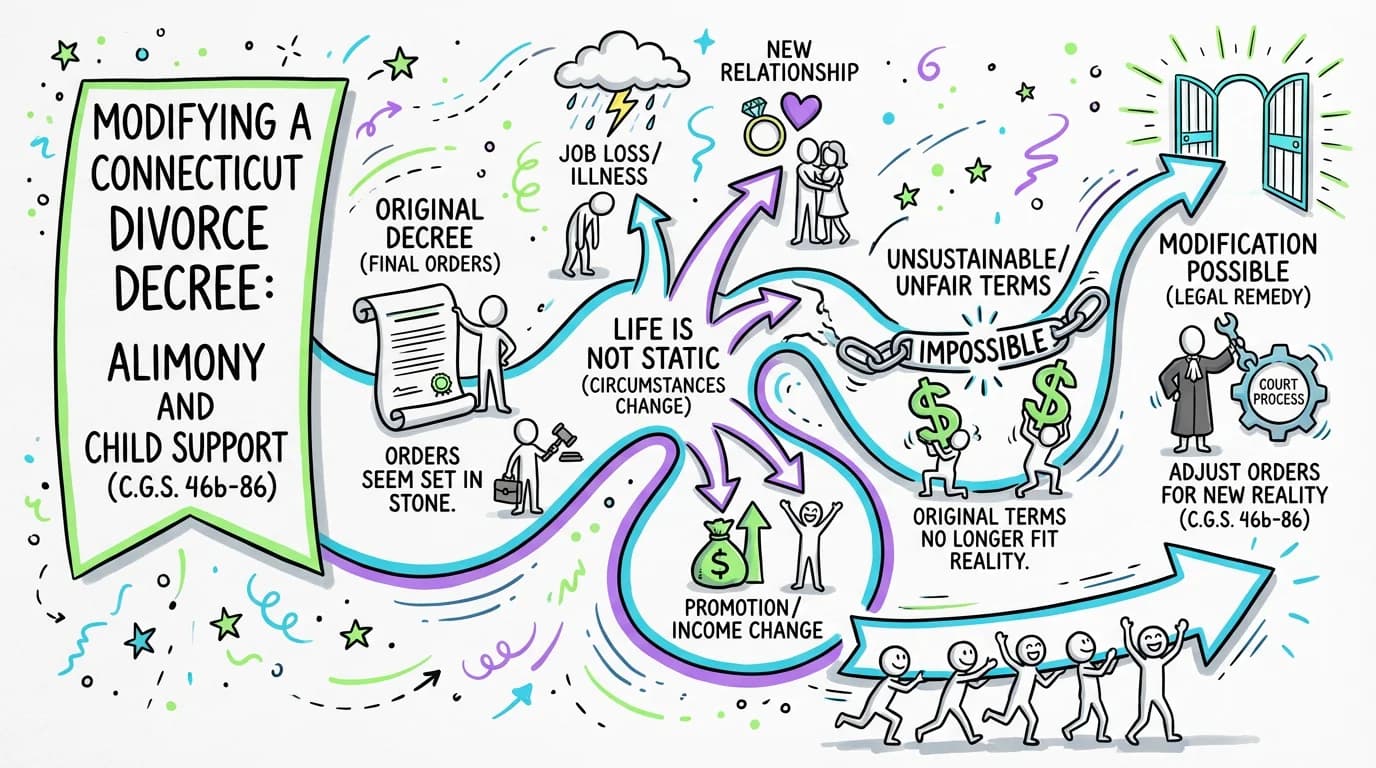
How Can You Modify Alimony or Child Support After a Connecticut Divorce (C.G.S. 46b-86)?
Guide to modifying Connecticut divorce decrees under C.G.S. 46b-86. Learn the 'substantial change in circumstances' standard for alimony and child support.

How do Connecticut courts handle relocation with children?
Life is full of changes, and sometimes a new job, a new relationship, or the need for family support means considering a move. When you share a child ...

How do Connecticut educational support orders work for college after divorce?
Connecticut's unique educational support law (C.G.S. 46b-56c) that allows judges to order parents to pay for college after divorce.

How do grandparent visitation rights work in Connecticut?
Learn about grandparent and Third-Party Visitation Rights in Connecticut (C.G.S. § 46b-59). Covers key legal steps, forms, timelines, and requirements.

How do I collect attorney fees in Connecticut divorce?
Going through a divorce is emotionally and financially draining. One of the biggest sources of stress is often the cost of legal representation. If yo...

How do I divorce someone with mental illness in Connecticut?
Facing a divorce is always challenging, but when your spouse is struggling with mental illness, it adds layers of complexity, concern, and emotional w...

How do I enforce a custody order in Connecticut?
Feeling frustrated, worried, or angry when a co-parent doesn't follow your custody order is completely understandable. You went through the difficult ...

How do I enforce an alimony order in Connecticut?
It is incredibly frustrating and stressful when your ex-spouse fails to pay court-ordered alimony. You counted on that financial support, and when it ...
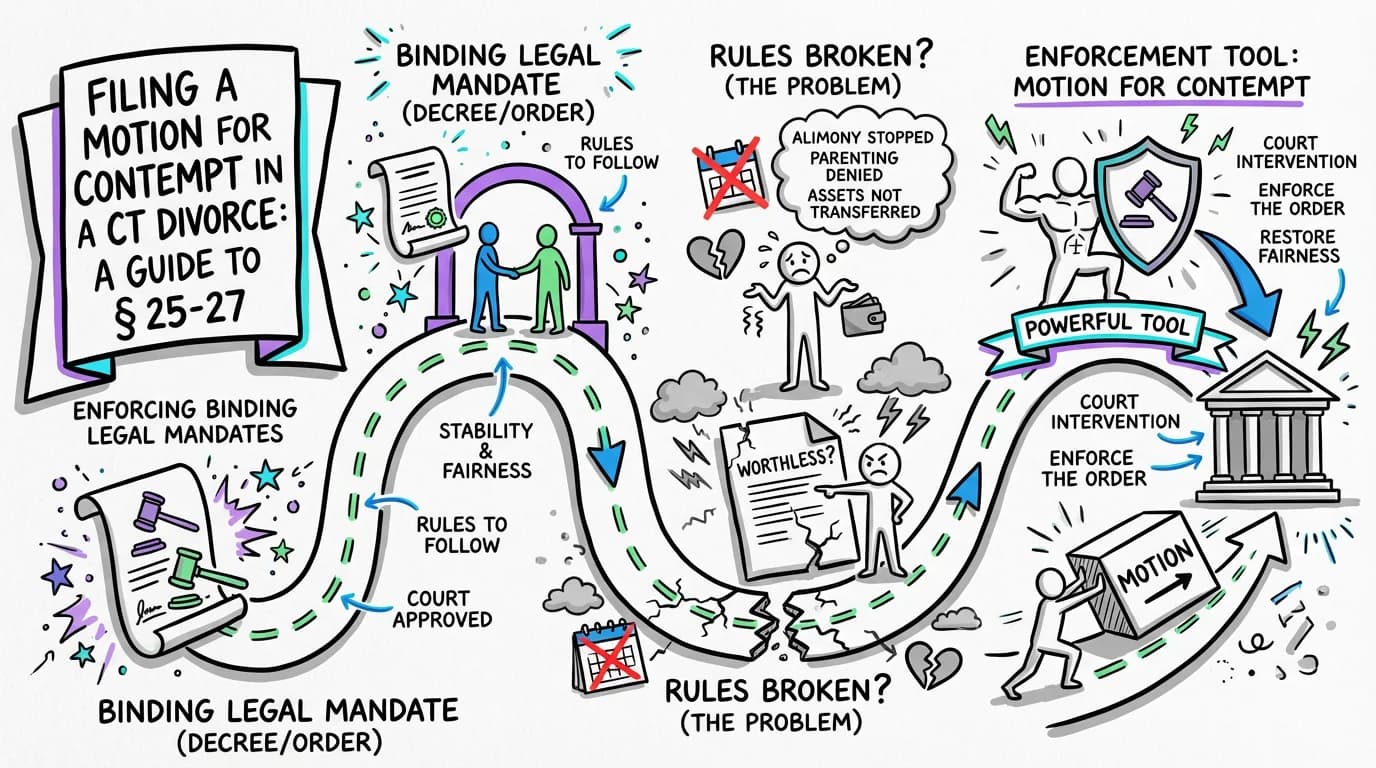
How do I file a motion for contempt in Connecticut family court?
Learn how to file a motion for contempt in Connecticut family court, what proof the court wants, and what remedies may be available.
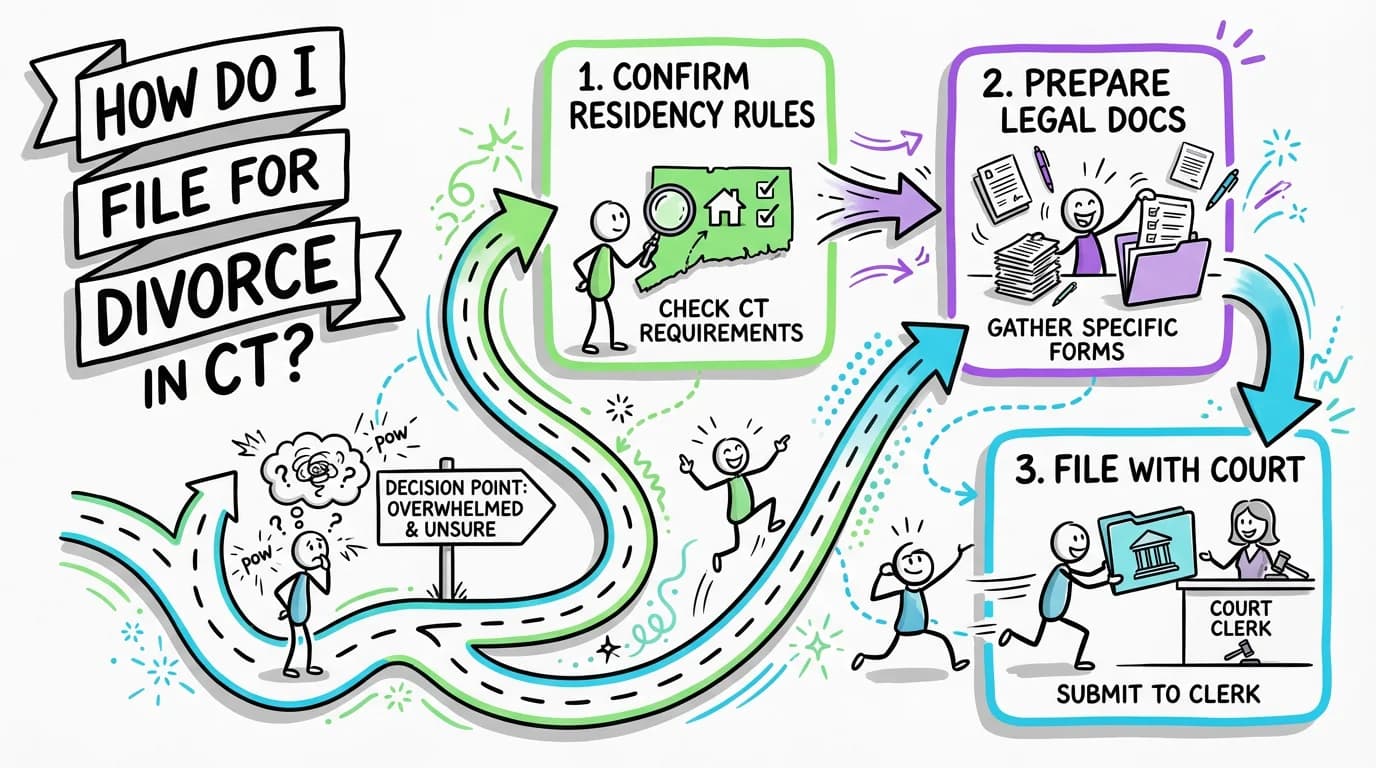
How do I file for divorce in Connecticut?
How to file for divorce in Connecticut: 12-month residency, forms JD-FM-3, 159, 158, 164, marshal service, statutory waiting period, financial affidavits.

How do I get a copy of my divorce decree in Connecticut?
After the emotional journey of a divorce, dealing with paperwork is probably the last thing on your mind. However, your official divorce decree is a v...

How do I get a divorce if my spouse is missing in Connecticut?
Feeling ready to move forward with your life but facing the overwhelming challenge of a missing spouse can feel like hitting a brick wall. You might b...

How do I get a restraining order during divorce in Connecticut?
Going through a divorce is incredibly stressful, and when you feel unsafe, that stress can become overwhelming. If you're concerned about your safety ...

How do I get divorced in Connecticut without a lawyer?
Getting divorced in Connecticut without a lawyer. Learn about self-representation rights, nonadversarial divorce, required forms, court procedures.

How do I handle international divorce in Connecticut?
Facing a divorce is challenging enough, but when your spouse lives in another country, the process can feel overwhelming. You might be wondering if yo...

How do I handle taxes after divorce in Connecticut?
Navigating a divorce is challenging enough without the added stress of figuring out your taxes. It’s a topic filled with confusing rules and financial...

How do I modify a divorce decree in Connecticut?
Life is full of unexpected changes. A job loss, a promotion, a move, or a child’s evolving needs can make the terms of your original divorce decree fe...
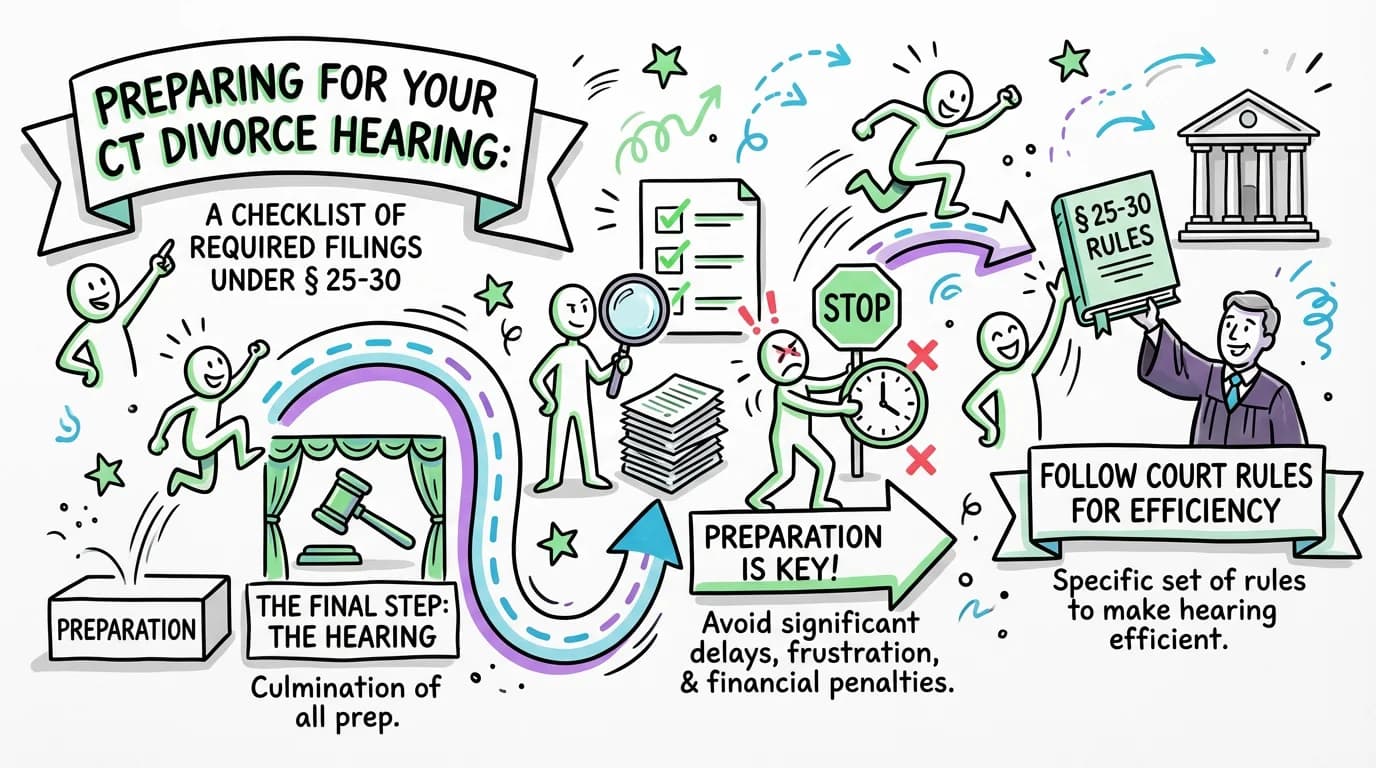
How do I prepare for a CT divorce hearing?
Preparing for a CT divorce hearing: what Practice Book § 25-30 covers, when five-business-day deadlines apply, and which forms to bring.

How do I request alimony modification in Connecticut?
Learn how to request alimony modification in Connecticut, what counts as a substantial change in circumstances, and what the court reviews.

How do I serve divorce papers in Connecticut?
Starting the divorce process can feel overwhelming, and one of the first official steps—serving the papers—often brings up a lot of questions and anxi...

How do you fill out Connecticut's JD-FM-159 divorce complaint?
What Connecticut's JD-FM-159 divorce complaint asks for, which facts to gather before drafting it, and common filing mistakes to avoid.

How do you fill out Connecticut's JD-FM-164 affidavit concerning children?
Complete JD-FM-164 in Connecticut, including the five-year residence history, related-case disclosures, signing rules, and when you need the JD-FM-164A.
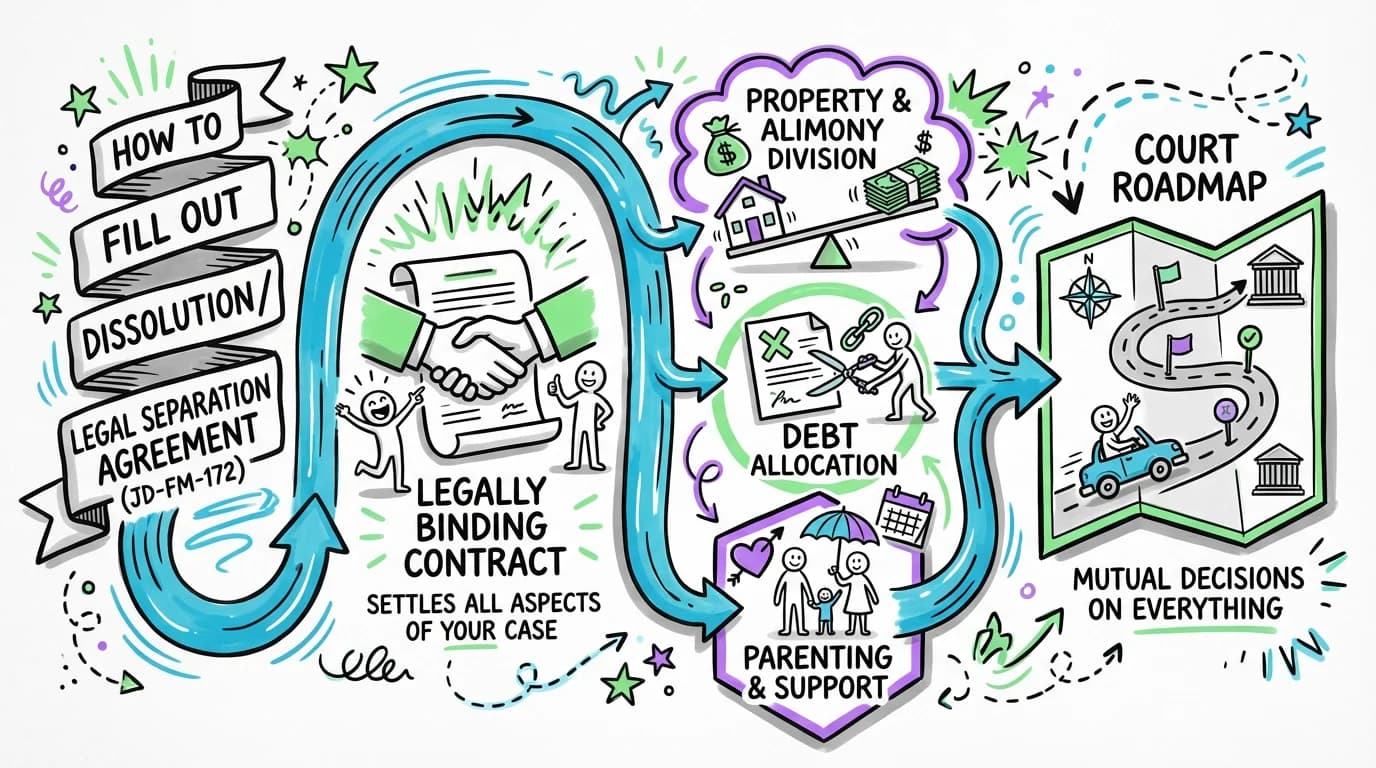
How do you fill out Connecticut's JD-FM-172 dissolution or legal separation agreement?
Complete JD-FM-172 in Connecticut, including which sections to use, how the settlement should match the financial affidavits.
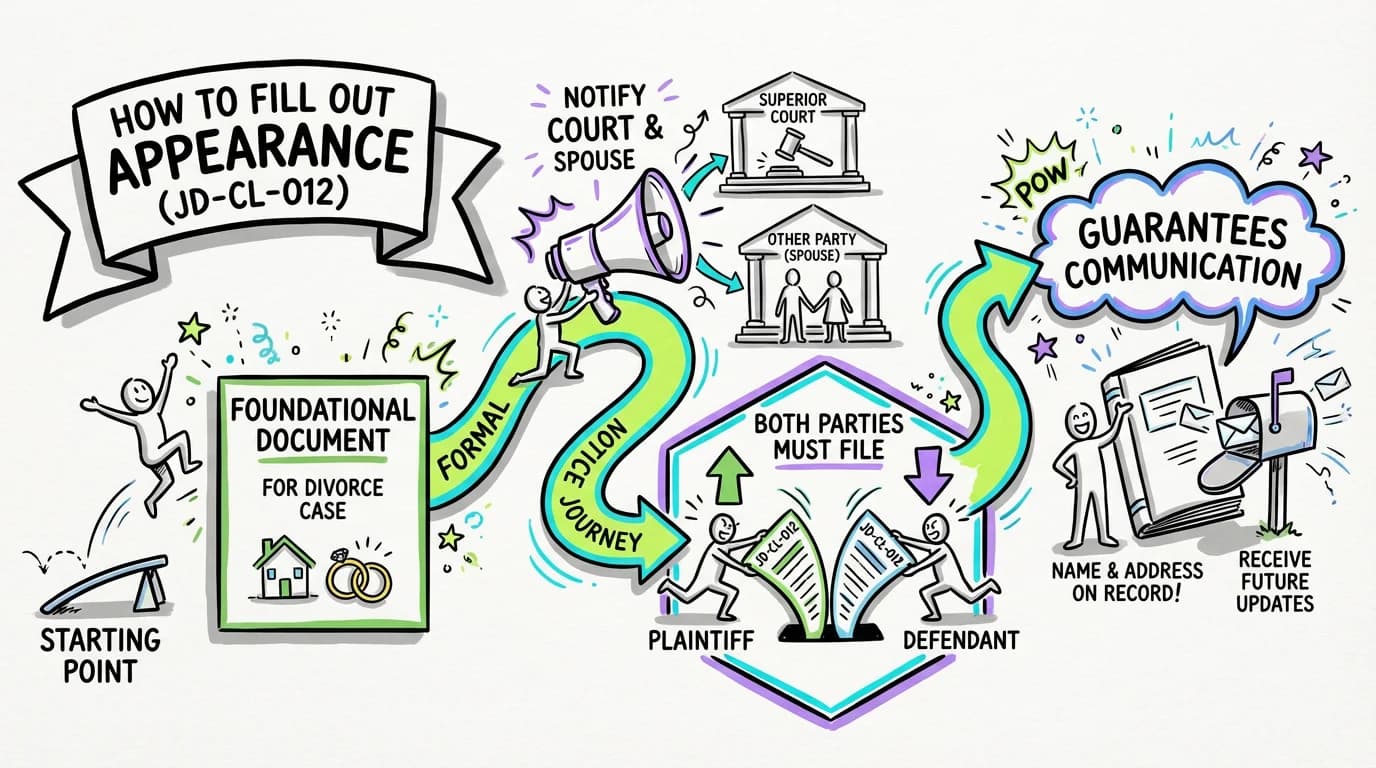
How do you fill out JD-CL-012 Appearance in a Connecticut divorce?
Fill out JD-CL-012 Appearance for a Connecticut divorce, including the case caption, return date, contact details, and the mistakes that can keep court.
How do you fill out JD-CL-012 in Connecticut divorce cases?
Learn what JD-CL-012 means, what information to copy from your summons, and how to file it without missing the court's notice details.
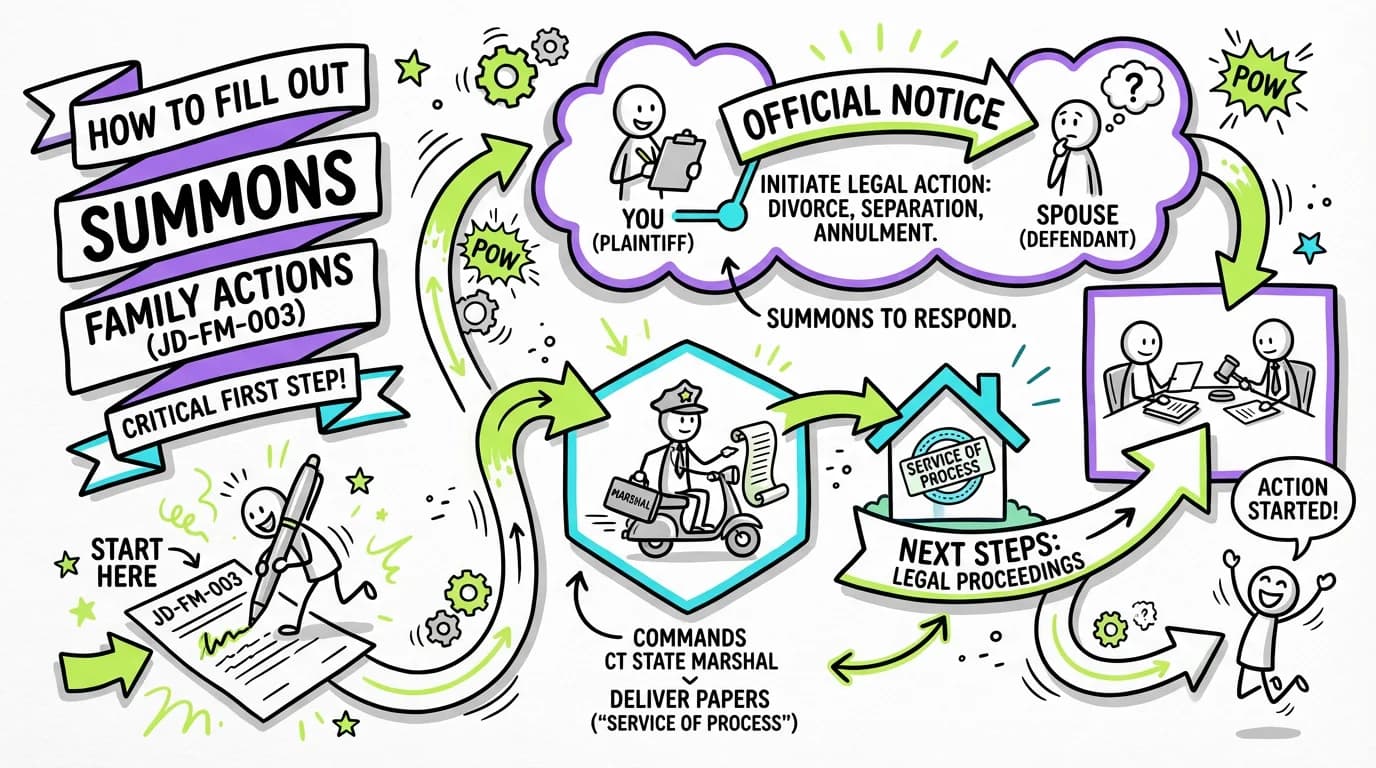
How do you fill out JD-FM-003 in Connecticut divorce cases?
Fill out Connecticut JD-FM-003 correctly: return date, court location, service packet, marshal filing deadline, and common summons mistakes.
How do you fill out JD-FM-003 Summons Family Actions in Connecticut?
Fill out JD-FM-003 Summons Family Actions for a Connecticut divorce, including the return date, court location, service details.
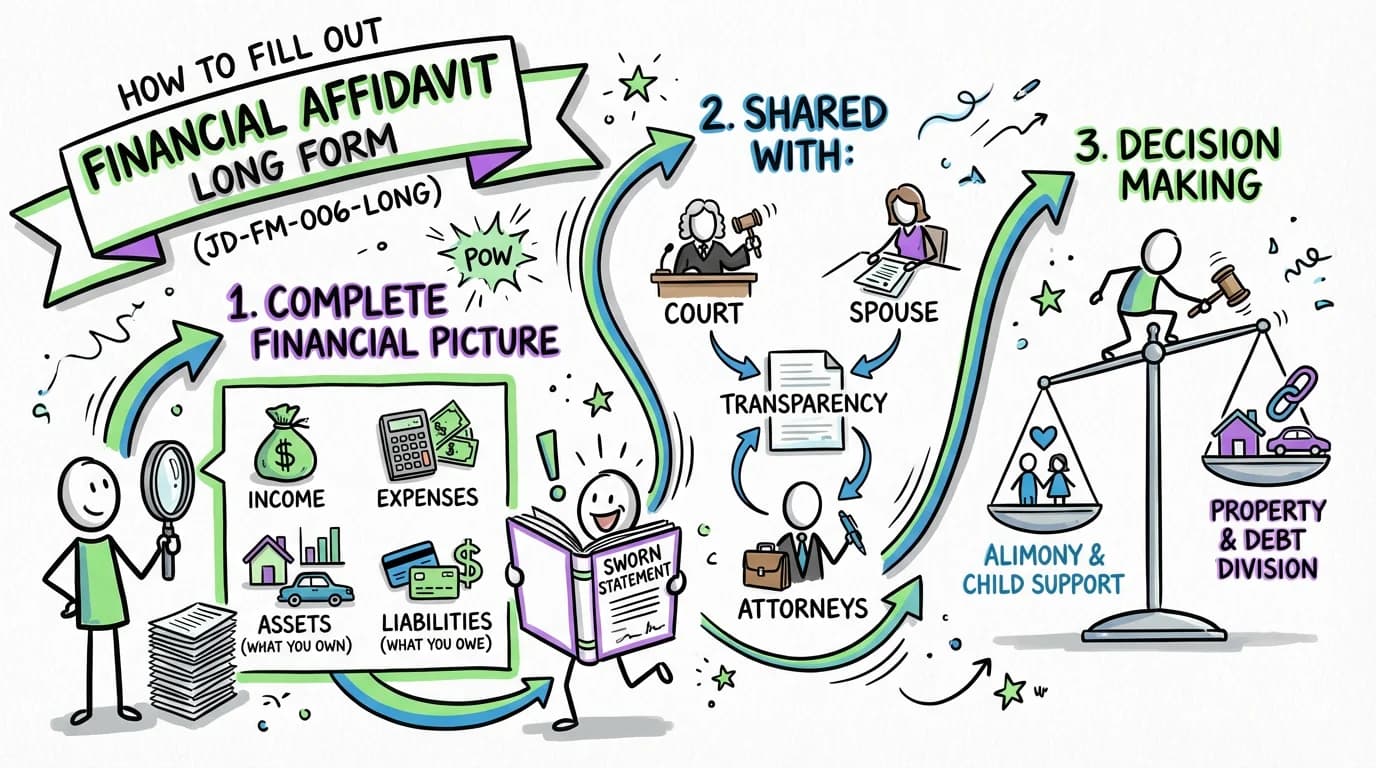
How do you fill out JD-FM-006 Long Financial Affidavit Long Form in Connecticut?
Fill out Connecticut's JD-FM-006 long financial affidavit, including the $75,000 threshold, weekly income conversions, asset reporting.
How do you fill out JD-FM-006 Long in Connecticut divorce cases?
Clear JD-FM-006 Long guide: when Connecticut requires the long financial affidavit, how to convert weekly figures, and what records to gather.

How do you fill out JD-FM-006 Short Financial Affidavit Short Form in Connecticut?
Fill out Connecticut's JD-FM-006 short financial affidavit, including the under-$75,000 threshold, weekly income conversions, expense lines.
How do you fill out JD-FM-006 Short in Connecticut divorce cases?
Learn what JD-FM-006 Short means, when the under-$75,000 threshold applies, and how to enter weekly income, expenses, assets, and debts.

How do you fill out JD-FM-149 in Connecticut family cases?
Learn what JD-FM-149 means, which section you complete yourself, and how to keep proof that the court received your parenting-program result.

How do you use Connecticut's JD-FM-164A addendum for additional children?
Complete JD-FM-164A in Connecticut when the main affidavit does not cover every child, including what to copy from JD-FM-164 and when the same-history.
How do you use JD-FM-149 for Connecticut's parenting education program?
Use JD-FM-149 in a Connecticut divorce or custody case, including what you fill out yourself, what the court and provider complete.
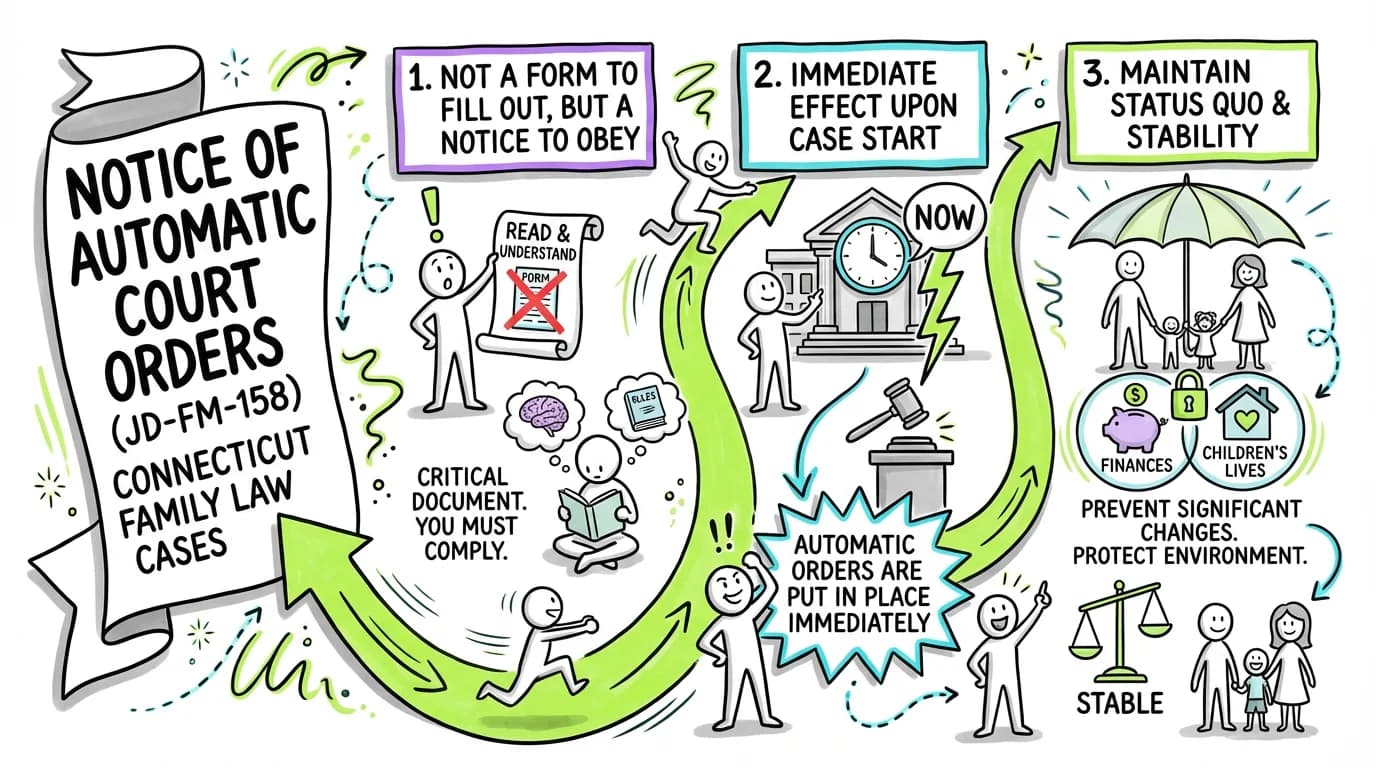
How do you use JD-FM-158 in Connecticut divorce cases?
Learn what JD-FM-158 means, when the restrictions start, and which deadlines and conduct rules it triggers after service.
How do you use JD-FM-158 Notice of Automatic Court Orders in Connecticut?
Use Connecticut's JD-FM-158 automatic orders notice, including when the orders start, what financial and parenting restrictions apply.

How is a business valued in Connecticut divorce?
Going through a divorce is one of life’s most challenging experiences. When a family business is involved, the complexity and stress can feel overwhel...

How is child support calculated in Connecticut?
Figuring out child support can be one of the most stressful parts of a divorce or separation. You want to ensure your children are financially secure,...

How is personal property divided in Connecticut divorce?
Going through a divorce is tough, and one of the most stressful parts can be figuring out who gets what. When it comes to your personal belongings—the...
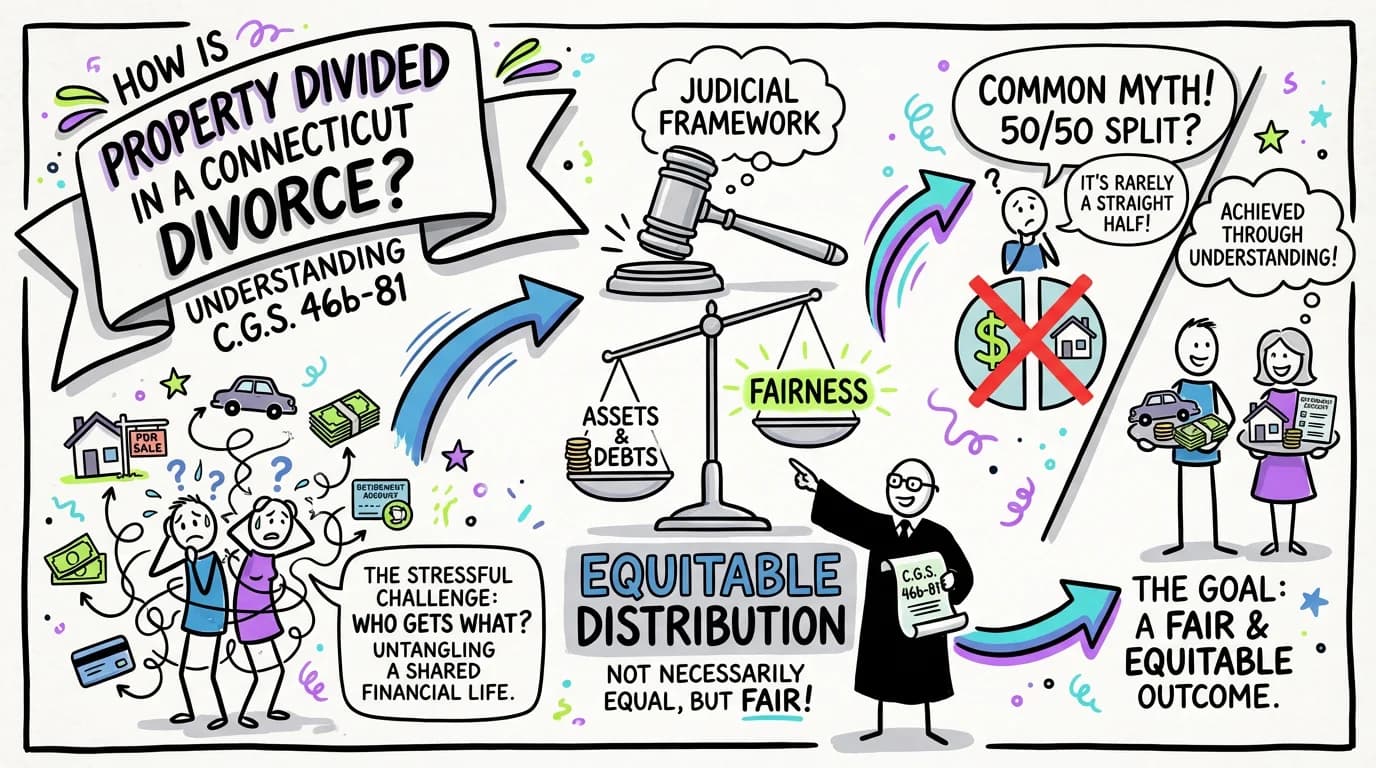
How Is Property Divided in a Connecticut Divorce Under C.G.S. § 46b-81?
Learn how Connecticut courts divide assets and debts in divorce under C.G.S. § 46b-81, including all-property rules, factors, and evidence.

How is the marital home divided in Connecticut divorce?
Figuring out what happens to the family home is often one of the most stressful and emotional parts of a divorce. It’s more than just a financial asse...

How long do I have to live in Connecticut to file for divorce?
If you're considering divorce, one of the first practical questions you might have is about timing and location. The short answer is: you can file for...

How long do I have to pay child support in Connecticut?
Navigating the financial responsibilities of a divorce or separation is one of the most challenging parts of the process. If you have children, one of...

How long does a divorce take in Connecticut?
How long does a CT divorce take? Typical timelines range from 90 days to over a year. Learn about the waiting period and faster nonadversarial option.

How long does a divorce trial take in Connecticut?
Going through a divorce is one of life's most challenging experiences, and one of the biggest sources of anxiety is uncertainty about the timeline. If...

How long does alimony last in Connecticut?
If you're going through a divorce, one of the most pressing questions is often about finances. For many, that question is: "How long does alimony last...

How much does it cost to file for divorce in Connecticut?
Connecticut divorce filing costs start with a $360 court entry fee, plus marshal service, parenting classes, and attorney or expert fees.

How to File a Motion in a CT Divorce: Navigating the New Motion Docket (§ 25-34A)
Learn about how to File a Motion in a CT Divorce: Navigating the New Motion Docket (§ 25-34A). Covers key legal steps, forms, timelines, and requirements.

How to Fill Out JD-FM-175
Complete step-by-step instructions for filling out JD-FM-175, the Connecticut Certificate of Notice in Family Cases. Learn what to send, who to notify.
How to Fill Out JD-FM-175 Certificate of Compliance
Complete step-by-step instructions for filling out JD-FM-175, the Connecticut Certificate of Notice in Family Cases. Learn what to send, who to notify.
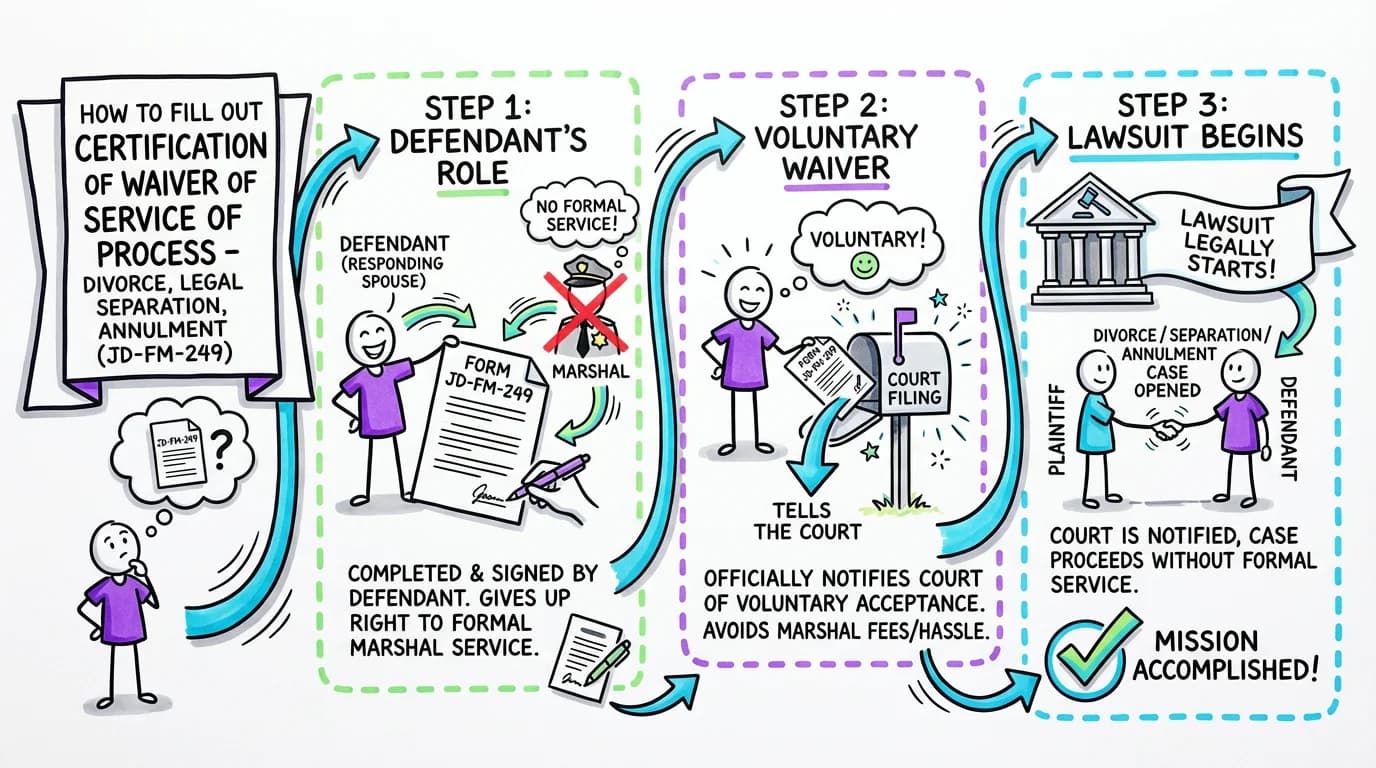
How to Fill Out JD-FM-249
Complete step-by-step instructions for filling out JD-FM-249, Connecticut's waiver of service form for divorce, legal separation, and annulment cases.

How to Fill Out JD-FM-284
Learn about complete step-by-step instructions for filling out JD-FM-284, Connecticut's custody agreement and parenting plan form.

How to Fill Out JD-FM-284 Custody Agreement and Parenting Plan
Learn about complete step-by-step instructions for filling out JD-FM-284, Connecticut's custody agreement and parenting plan form.

How to Fill Out the Connecticut Child Support Worksheet (CCSG-1)
A definitive, step-by-step guide on how to fill out the Connecticut Child Support and Arrearage Guidelines Worksheet (CCSG-1).
How to Fill Out the Connecticut Child Support Worksheet (CCSG-1)
A definitive, step-by-step guide on how to fill out the Connecticut Child Support and Arrearage Guidelines Worksheet (CCSG-1).
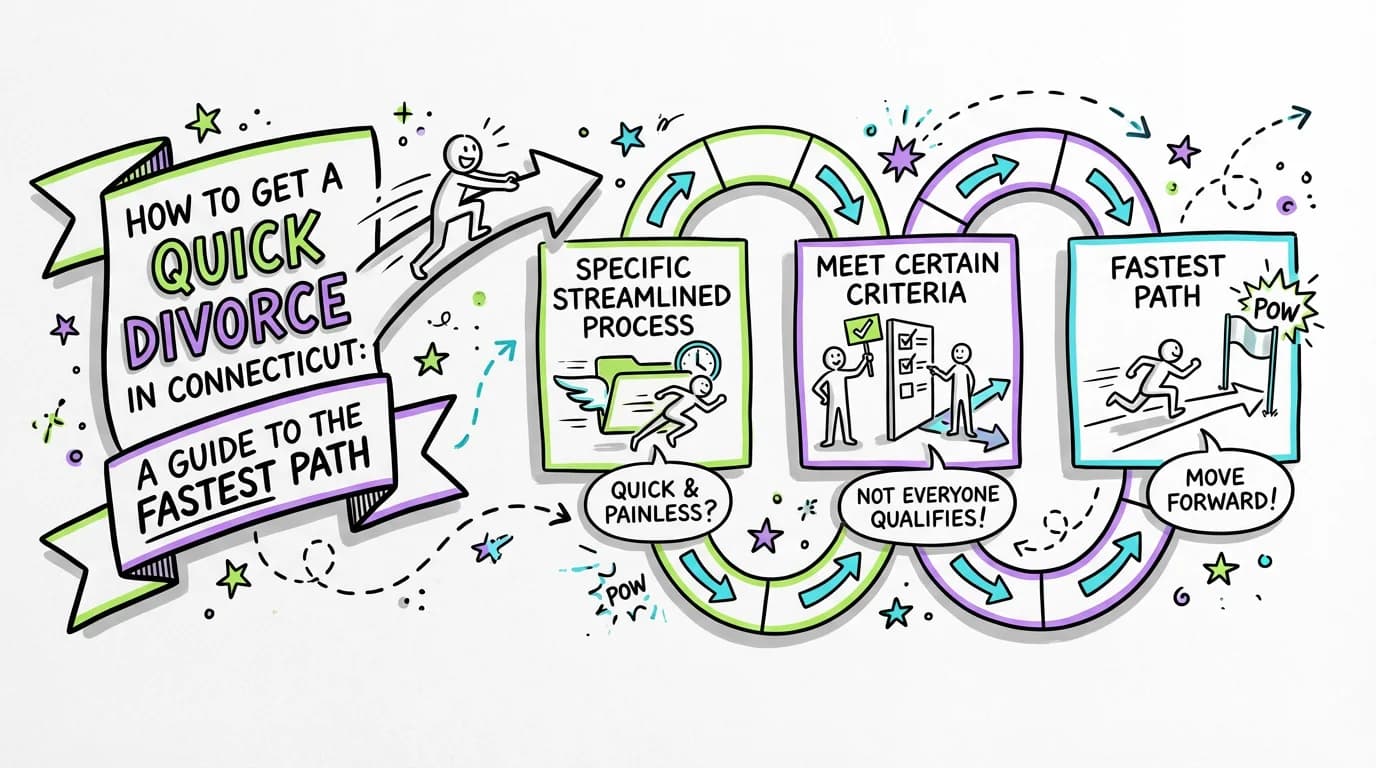
How to Get a Quick Divorce in Connecticut
Learn the fastest lawful way to get divorced in Connecticut, including who qualifies for nonadversarial divorce and what to file.
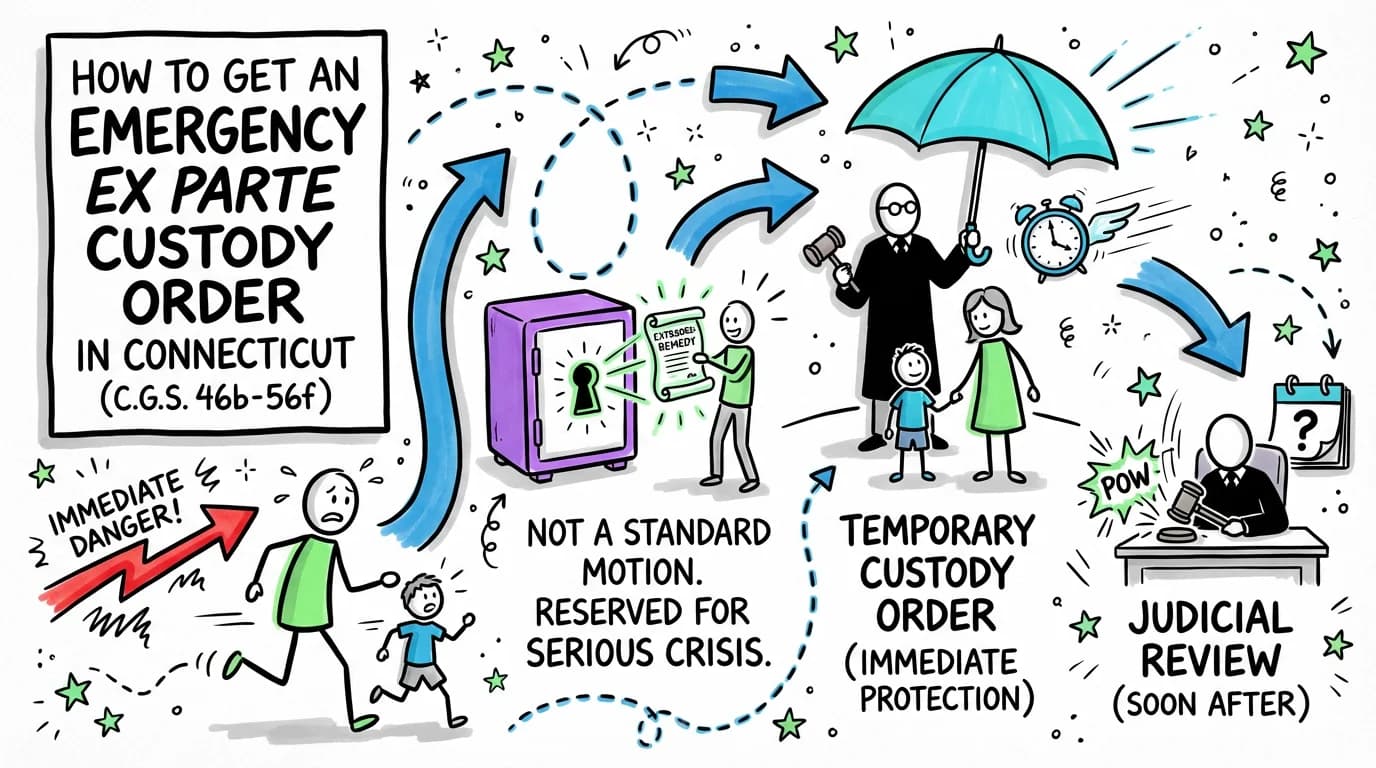
How to Get an Emergency Ex Parte Custody Order in Connecticut (C.G.S. 46b-56f)
Learn about how to Get an Emergency Ex Parte Custody Order in Connecticut (C.G.S. § 46b-56f). Covers key legal steps, forms, timelines, and requirements.

Is alimony taxable in Connecticut?
The short answer is no. For any divorce finalized on or after January 1, 2019, alimony is no longer taxable income for the person receiving it, nor is...

Is Connecticut a community property state?
Learn how Connecticut divides property in divorce and why the state uses equitable distribution instead of community property rules.

Is mediation required in Connecticut divorce?
Going through a divorce is one of life's most challenging experiences. You're likely feeling overwhelmed by legal questions, financial worries, and em...
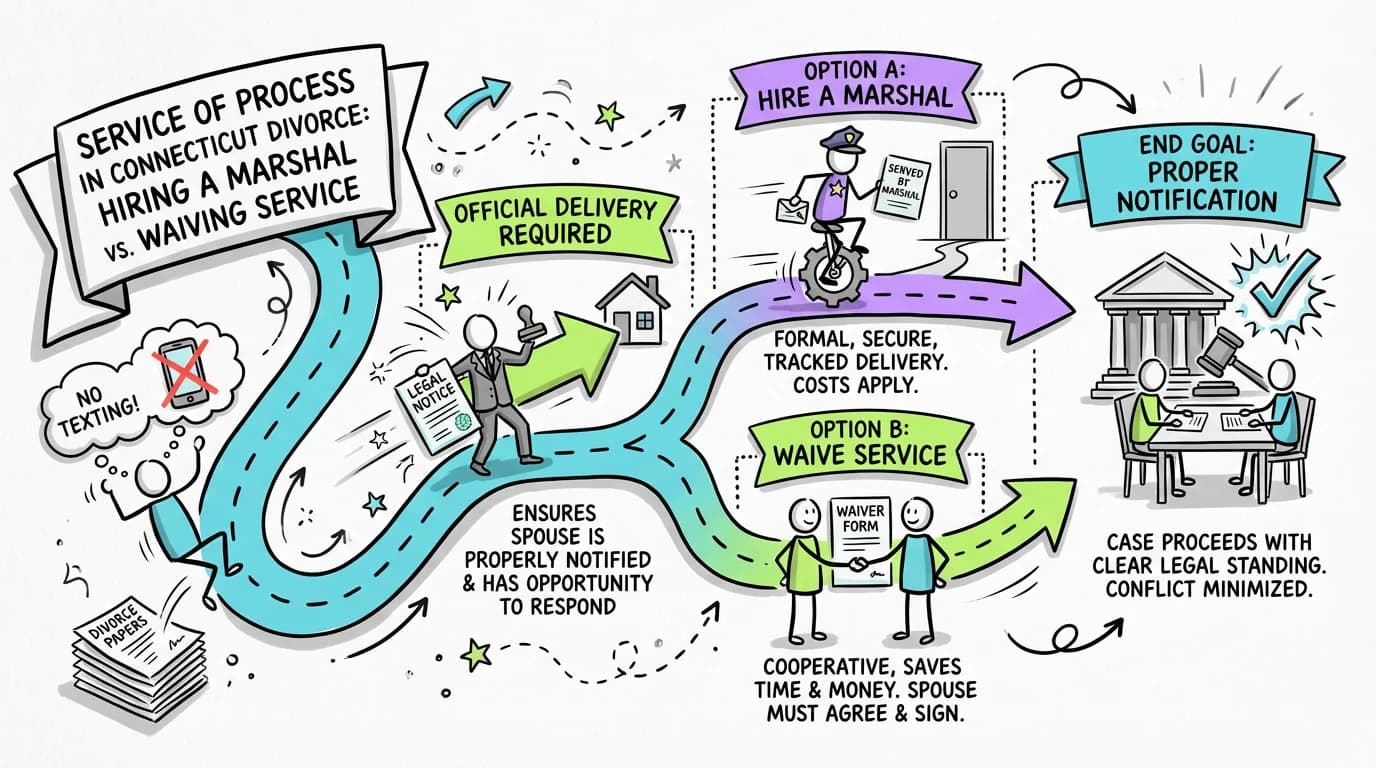
Should I hire a marshal or waive service in a Connecticut divorce?
Learn when to hire a Connecticut state marshal and when waiver of service may make sense in a divorce case. Covers key legal steps, forms, and timelines.

What are Connecticut divorce pathways and case management tracks?
Connecticut's new divorce Pathways system under Practice Book § 25-50A. Learn about Resolution Plan Dates, Family Relations Counselors.

What are the best interests of the child factors in Connecticut custody cases?
The 17 'best interests of the child' factors under C.G.S. 46b-56 that Connecticut courts use to determine custody and parenting plans.

What are the grounds for divorce in Connecticut under C.G.S. § 46b-40?
Connecticut's divorce grounds under C.G.S. 46b-40. No-fault irretrievable breakdown vs. 10 fault-based grounds and how fault may affect outcomes.

What documents do I need for my divorce in Connecticut?
Going through a divorce is overwhelming, and the mountain of paperwork can feel like the last thing you want to deal with. We understand. Taking it on...
What does JD-FM-159 ask for in a Connecticut divorce?
Step-by-step guide to filling out JD-FM-159, Connecticut's divorce complaint form. Learn what facts to include and how this form fits your case.
What does JD-FM-164 ask for in a Connecticut divorce or custody case?
Need the shorthand JD-FM-164 version? Learn what the Connecticut affidavit asks for, which disclosures usually cause trouble.
What does JD-FM-172 cover in a Connecticut uncontested divorce?
Learn what Connecticut's JD-FM-172 dissolution agreement covers, what to review before signing, and how it fits into an uncontested divorce.

What factors determine alimony in Connecticut?
Figuring out finances during a divorce is often the most stressful part of the process. When it comes to spousal support, you might be wondering if th...

What factors do Connecticut courts consider for child custody?
Deciding on arrangements for your children is often the most emotional and challenging part of a divorce or separation. If you and your co-parent can'...
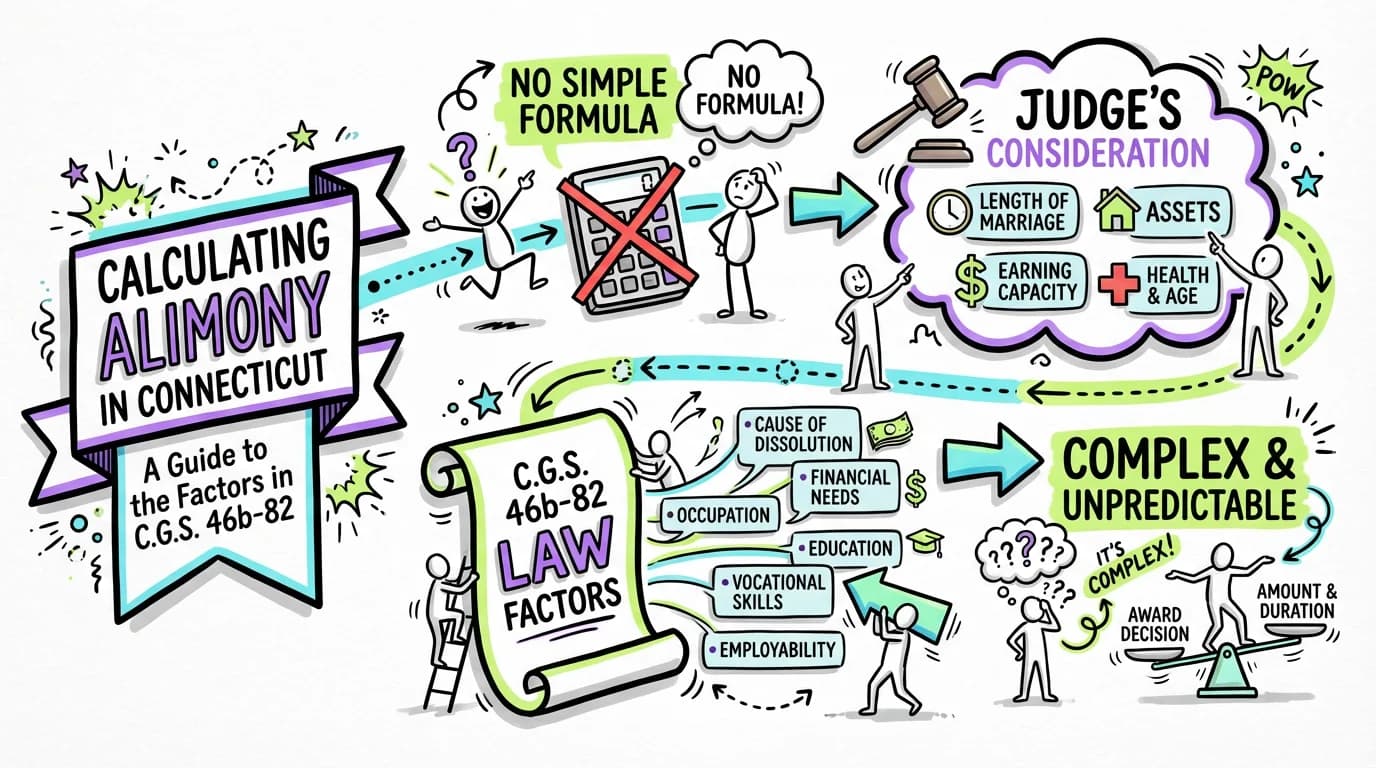
What factors do Connecticut courts consider when deciding alimony?
A detailed guide to Connecticut's alimony laws under C.G.S. 46b-82. Explains the 17 factors courts consider when determining spousal support awards.

What forms do I need to file for divorce in Connecticut?
Navigating a divorce is one of life's most challenging experiences, and the mountain of paperwork can feel overwhelming. You're likely feeling stresse...

What happens after the divorce is finalized in Connecticut?
The moment the judge signs your divorce decree can feel like the end of a long, exhausting journey. It’s a moment of relief, closure, and for many, a ...

What happens if I violate a custody order in Connecticut?
Learn what happens if a Connecticut custody order is violated, how contempt proceedings work, and what penalties a judge may consider.

What happens if my ex doesn't pay alimony in Connecticut?
If your ex stops paying alimony in Connecticut, you can ask the court to enforce the order through contempt, arrearage findings, attorney's fees.

What happens if my ex doesn't pay child support in Connecticut?
If your ex stops paying child support in Connecticut, the court can enforce the order through contempt, income withholding, arrearage remedies.

What happens if my ex violates the divorce order in Connecticut?
If your ex violates a Connecticut divorce order, you can ask the court to enforce the judgment through a motion for contempt, tailored remedial orders.

What happens if we can't reach an agreement in Connecticut?
If you cannot reach a divorce agreement in Connecticut, the case moves through the court's case-management process, and a judge can decide unresolved.

What happens to alimony if I remarry in Connecticut?
In Connecticut, remarriage can change an alimony obligation, but the outcome depends on the judgment terms, the type of alimony.

What happens to alimony if my ex remarries in Connecticut?
In Connecticut, your ex's remarriage does not automatically end your alimony. The result depends on the decree terms and modification rules.

What happens to college expenses in Connecticut divorce?
In Connecticut, college costs after divorce are handled through educational support orders, but only when the decree permits it and the statutory.

What happens to gifts and inheritance in Connecticut divorce?
In Connecticut divorce, gifts and inheritance are not automatically excluded from division. The court can consider all property, although source, tracing.
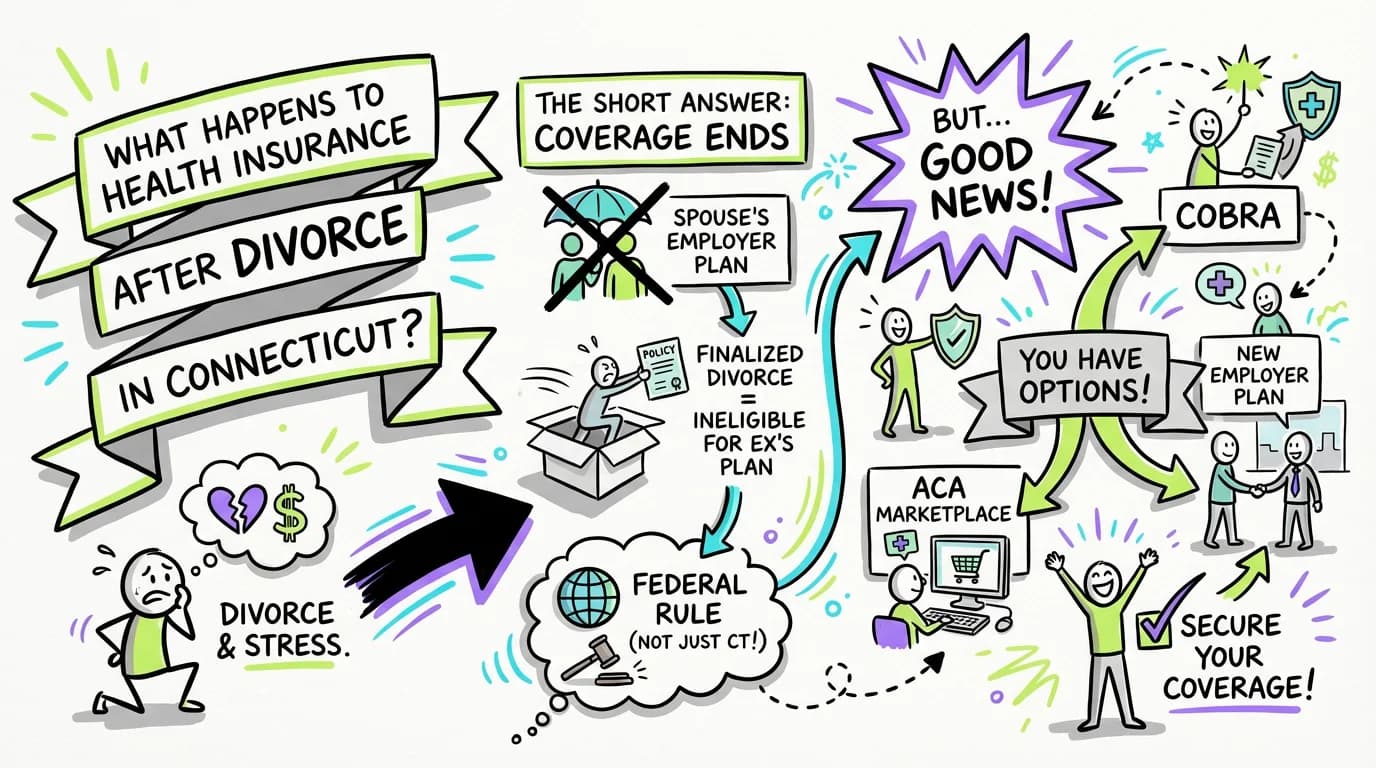
What happens to health insurance after divorce in Connecticut?
After divorce in Connecticut, a spouse usually needs replacement health coverage, while children's coverage can remain part of the support order.

What happens to pets in Connecticut divorce?
In Connecticut divorce, pets are generally handled as property, although safety-related restraining orders can include protections for animals.

What happens to retirement accounts in Connecticut divorce?
In Connecticut divorce, retirement accounts can be divided as part of equitable distribution, but the result depends on the account history, evidence.

What happens to stock options in Connecticut divorce?
In Connecticut divorce, stock options can be part of the property division, but timing, vesting, and documentation control how they are handled.

What if my ex moves out of state after divorce in Connecticut?
If your ex wants to move out of state after a Connecticut divorce, the impact depends on whether the move affects the parenting plan, support.

What if my spouse refuses to sign divorce papers in Connecticut?
In Connecticut, one spouse cannot block a divorce by refusing to sign. The case may become contested or proceed by default after proper service.

What is an uncontested divorce in Connecticut?
An uncontested divorce in Connecticut means both parties agree on all material issues. The court still reviews filings before granting the decree.

What is considered marital property in Connecticut?
In Connecticut divorce, marital property includes more than assets acquired during the marriage. The court may consider either spouse's full estate.

What is discovery in Connecticut divorce?
Discovery in a Connecticut divorce is the process for exchanging financial information, documents, and other evidence before settlement or trial.

What is domestic violence protection in Connecticut divorce?
Domestic violence protection in a Connecticut divorce can include family restraining orders, emergency custody relief, temporary support or housing orders.

What is equitable distribution in Connecticut?
Equitable distribution in Connecticut is the court's method for dividing property and debt fairly at divorce after weighing the statutory factors.
What is JD-FM-164A used for in a Connecticut divorce or custody case?
Need the shorthand JD-FM-164A answer? Learn what the addendum covers, when Connecticut filers need it, and which details must match the main affidavit.

What is joint custody in Connecticut?
In Connecticut, joint custody generally means shared legal custody and a parenting structure designed to preserve meaningful contact with both parents.

What is mediation in Connecticut divorce?
Learn what mediation means in a Connecticut divorce, what a mediator can and cannot do, and when mediation may help you reach a workable settlement.

What is separate property in Connecticut divorce?
Learn how Connecticut handles premarital assets, inheritances, and gifts in divorce, and why tracing and commingling matter more than labels.

What is the Connecticut child support guidelines worksheet?
What the Connecticut child support guidelines worksheet does, what numbers it uses, and why the official worksheet still matters even when parents agree.
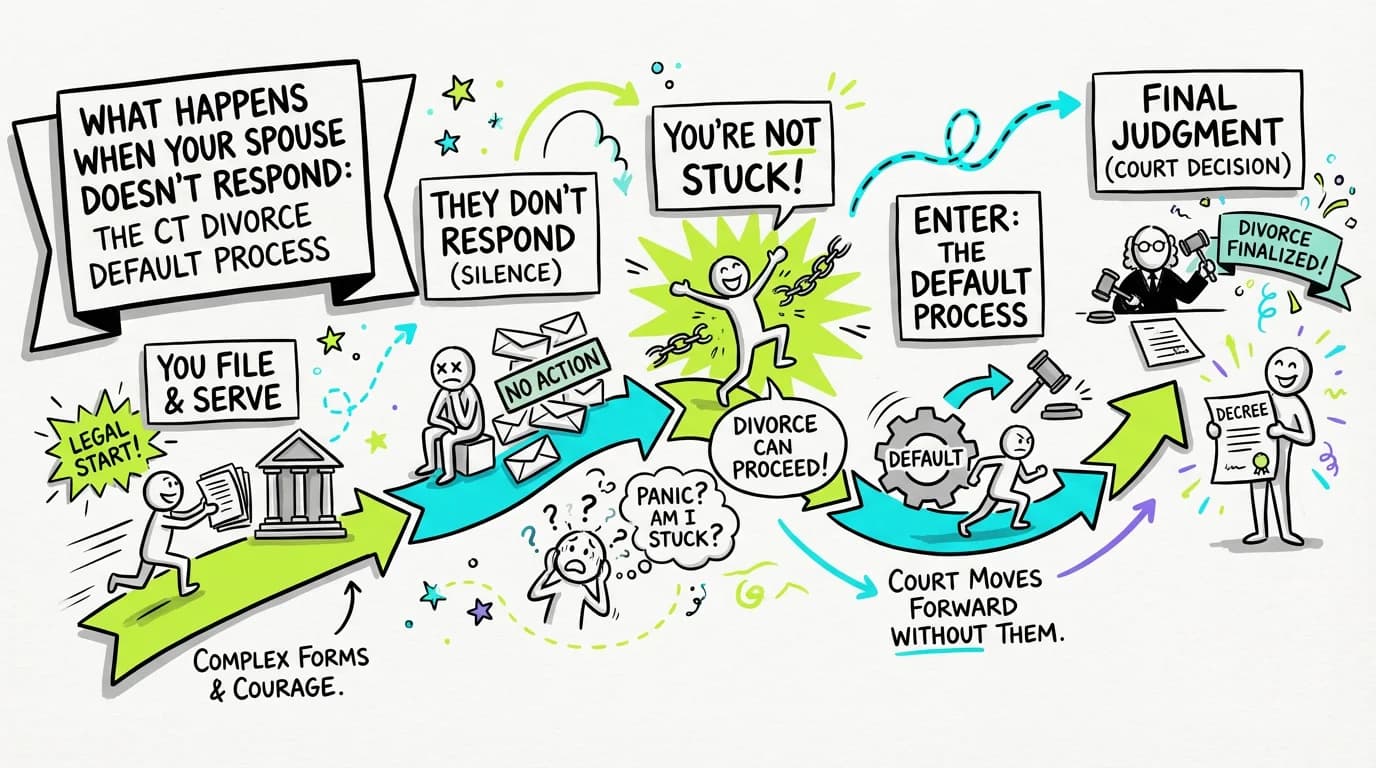
What is the Connecticut divorce default process?
Connecticut divorce default process under Practice Book §25-51 and CGS §46b-67: what happens when a spouse doesn't respond, timing rules, and forms.

What is the difference between dissolution and divorce in Connecticut?
Learn whether dissolution and divorce mean different things in Connecticut, and how standard and nonadversarial dissolution paths actually work.

What is the parent education program in Connecticut?
Connecticut's parent education program is a six-hour course for parents in divorce, custody, and visitation cases. Learn timing, cost, waivers, and proof.

What should I expect at my first court appearance in Connecticut?
Learn what usually happens at the first Connecticut divorce court date, what the Resolution Plan Date is, and how to prepare for it.

What should I wear to divorce court in Connecticut?
Learn the safest standard for what to wear to Connecticut divorce court and how to look respectful, prepared, and credible without overcomplicating it.

What types of alimony are there in Connecticut?
Learn the main ways Connecticut courts structure alimony and what factors affect whether support is temporary, durational, nominal, or ongoing.

When does alimony end in Connecticut?
Learn what usually ends Connecticut alimony, including decree language, remarriage, death, cohabitation disputes, and modification requests.

Where do I file for divorce in Connecticut?
Learn where to file for divorce in Connecticut, how residency and judicial districts affect filing, and what changes if you qualify for a simplified path.
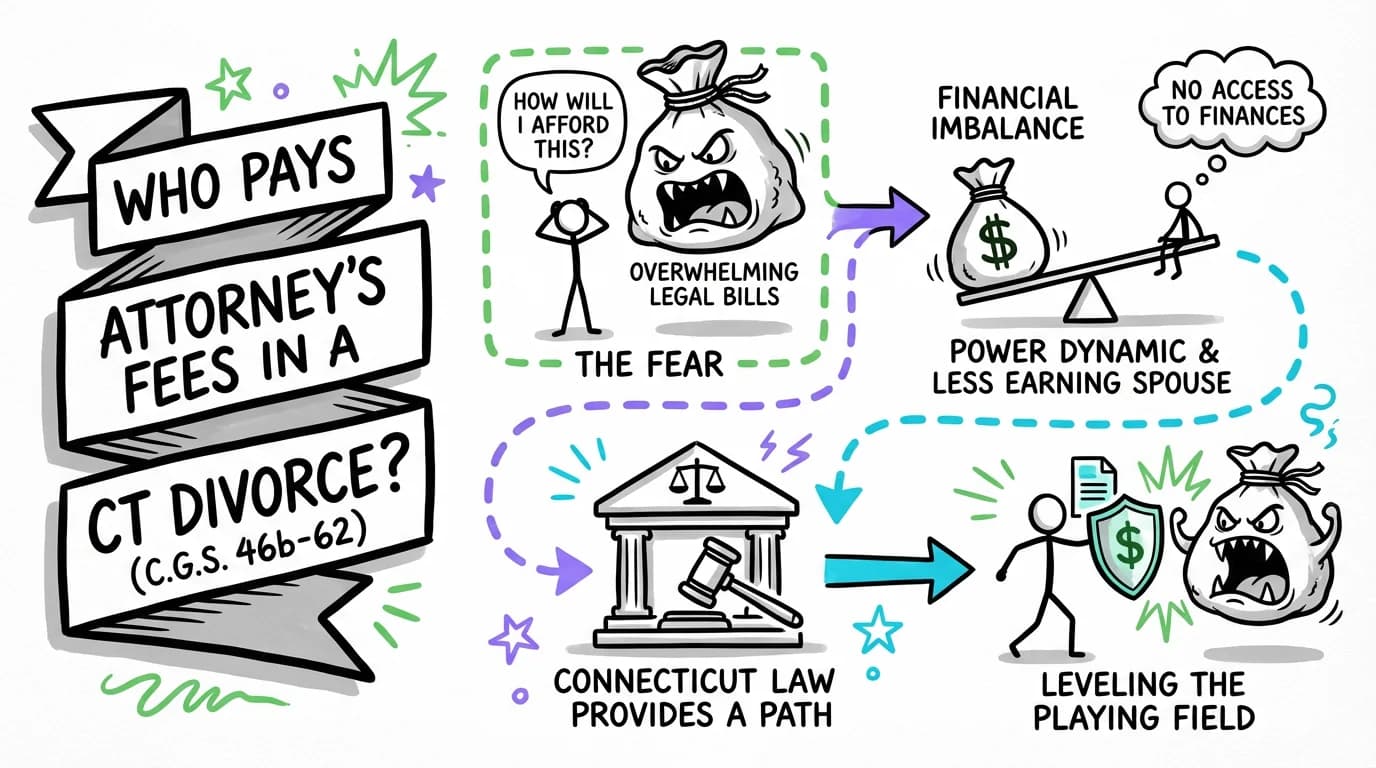
Who Pays Attorney's Fees in a Connecticut Divorce? (C.G.S. 46b-62)
Learn when Connecticut courts may order one spouse to contribute to the other's attorney's fees in a divorce and how fee requests are usually made.
Dealing with conflict
Your spouse isn't cooperating and you need to understand your legal options.
14 articles
Can I Get Divorced If My Spouse Refuses? Connecticut Contested Divorce Guide
Yes, you can get divorced in Connecticut even if your spouse refuses. Learn how contested divorces work, the legal process.

Does Untangle Work For Contested Divorces In Connecticut?
Untangle can help with contested Connecticut divorces by organizing disclosures, deadlines, and settlement records without replacing legal strategy.

How Can Untangle Help With a Contested Divorce in Connecticut?
Untangle helps you navigate a contested divorce in Connecticut when your spouse won't cooperate. Get organized, stay prepared, and protect your interests.

How Do I Prepare for a Contested Divorce in Connecticut?
Learn how to prepare for a contested Connecticut divorce. expert advice on gathering documents, protecting assets, and navigating custody disputes.

How Do You Build a Strong Strategy for a Contested Divorce in Connecticut?
Proven strategies for winning your contested divorce in Connecticut. Learn about discovery, financial disclosure, custody tactics.

How Do You Choose the Best Apps for Divorce Case Preparation in Connecticut?
The best apps for preparing your Connecticut contested divorce case. Compare tools for financial tracking, document organization, and evidence gathering.

How Does a Contested Divorce Work in Connecticut When Your Spouse Won't Cooperate?
Contested divorces work in Connecticut when your spouse won't cooperate. Understand the process, timeline, costs, and what to expect in CT family court.

How Long Does A Contested Divorce Take In Connecticut?
Learn what drives the timeline in a contested Connecticut divorce and why disclosure, disagreement, and hearing needs often extend the case.

Is LegalZoom or Untangle Better for a Contested Divorce in Connecticut?
Compare LegalZoom and Untangle for contested CT divorces. Find out which tool handles conflict, uncooperative spouses, and court prep more effectively.

Should You Use a Lawyer or Mediator for a Contested Divorce in Connecticut?
When your spouse won't cooperate in a CT divorce, learn whether you need a divorce lawyer or mediator. Compare costs, timelines.

What Are the Best Apps for Divorce Case Preparation in Connecticut?
The best apps and digital tools for preparing a contested divorce case in Connecticut. Organize finances, documents, and build your case effectively.

What Are the Best Strategies for a Contested Divorce in Connecticut?
Proven strategies for winning a contested divorce in Connecticut. Expert tactics for property division, custody battles, and protecting your interests.

What Is a Contested Divorce in Connecticut?
What a contested divorce means in Connecticut, how the court process works when spouses disagree, and what to expect when your spouse won't cooperate.

What should I do if my spouse is lying in Connecticut divorce court?
Handle a spouse who lies in CT divorce court. Discover legal strategies, evidence requirements, and remedies for dishonesty in divorce proceedings.
Starting over financially
You've been financially dependent and need to plan for your future.
13 articles
Can I Afford to Get Divorced in Connecticut? Financial Guide for Stay-at-Home Spouses
Stay-at-home spouses in Connecticut can afford divorce through temporary support, property division, and attorney fee awards.

Can I Stay in My Home During a Connecticut Divorce? Your Rights Explained
Your rights to stay in the marital home during a Connecticut divorce, including automatic court orders, exclusive possession motions.

Does Untangle Calculate Alimony in Connecticut?
No. Untangle retired its alimony calculator because Connecticut has no formula. Here is what the C.G.S. 46b-82 factors mean and how to prepare.

How Can Stay-at-Home Parents in Connecticut Build a Divorce Support Plan?
Learn how stay-at-home parents in Connecticut can build a practical divorce support plan with legal, financial, employment, and emotional resources.

How Do I Request Alimony in a Connecticut Divorce?
Learn how to secure alimony in CT. Explore statutory factors, filing for pendente lite support, and the process for stay-at-home spouses to get support.

How Do You Plan For Divorce In Connecticut If You Have No Income?
Learn how to plan for divorce in Connecticut when you have no income, including budgeting, disclosure, temporary support, and document preparation.

How Is Alimony Calculated in Connecticut?
Learn how Connecticut calculates alimony. CT has no fixed formula—courts use 17 statutory factors. Understand what determines your spousal support amount.

How Much Alimony Will I Receive in Connecticut?
Connecticut has no alimony formula. Learn the C.G.S. 46b-82 factors judges weigh, why no calculator can predict your award, and how to plan without one.

Should I Use Untangle or a Lawyer for Spousal Support in Connecticut?
Compare using Untangle vs hiring a lawyer for Connecticut spousal support. Learn when each option works best for stay-at-home spouses seeking alimony.

What Are the Best Divorce Apps for Stay-at-Home Moms in Connecticut?
The best divorce apps for stay-at-home moms in Connecticut. Learn how digital tools can help you navigate financial disclosure, alimony, and custody.

What Divorce Resources Matter Most for Stay-at-Home Parents in Connecticut?
Which divorce resources matter most for stay-at-home parents in Connecticut, including temporary support, legal help, and court-connected planning.

What Divorce Rights Does a Stay-at-Home Mom Have in Connecticut?
Your legal rights as a stay-at-home mom divorcing in Connecticut, including alimony, property division, child support, and temporary financial support.

What Tools Help Estimate Alimony in Connecticut?
Learn how Connecticut alimony is calculated without a fixed formula. Understand the factors courts consider and tools to estimate spousal support payments.
Focused on my kids
Your children's wellbeing is your top priority in this divorce.
13 articles
Does Untangle Create Custody Agreements in Connecticut?
Untangle helps Connecticut parents create comprehensive custody agreements and parenting plans that meet court requirements and protect children's best.

How Do I Create an Effective Connecticut Parenting Plan for My Divorce?
Learn how to build a Connecticut parenting plan that meets court requirements under C.G.S. § 46b-56a while protecting your children's best interests.

How Do You Calculate Child Support In Connecticut?
Learn how to calculate child support in Connecticut using the official worksheet, required income inputs, and the main reasons estimates change.

How Do You Choose a Co-Parenting App After Divorce in Connecticut?
The best co-parenting apps for Connecticut divorced parents. Compare features, costs, and benefits of top apps for custody schedules and messaging.

How Does Divorce Affect Children In Connecticut?
Learn how divorce can affect children in Connecticut and what parents can do to reduce conflict, protect routines, and seek support early.

How Does Joint Custody Work in Connecticut?
Connecticut joint custody works, including legal vs. physical custody, parenting plans, and how courts determine the best interests of your child.

How Does Untangle's Parenting Plan Feature Work in Connecticut?
Create a comprehensive Connecticut parenting plan that protects your children's best interests during divorce, including custody schedules and more.

How Should Connecticut Parents Choose a Divorce App?
Find the best divorce app for parents in Connecticut. Compare co-parenting tools, custody trackers, and communication apps that protect your children's.

Should Connecticut Parents Use OurFamilyWizard or Untangle During Divorce?
Compare OurFamilyWizard and Untangle for Connecticut custody cases. Learn which tool helps during divorce and which one fits ongoing co-parenting.

What Are the Best Co-Parenting Apps After Divorce in Connecticut?
The best co-parenting apps for Connecticut divorced parents. Learn how digital tools help with custody schedules, communication.

What Are the Best Online Custody Agreement Tools in Connecticut?
Online tools for creating Connecticut custody agreements. Learn about parenting plans, legal requirements, and resources to protect your children.

What Is the Best Divorce App for Parents in Connecticut?
Find the best divorce app for Connecticut parents. Compare co-parenting tools, custody planners, and divorce calculators to protect your interests.

What Should a Connecticut Child Custody Agreement Template Include?
Create a comprehensive Connecticut child custody agreement that protects your children's wellbeing. Includes required elements, parenting plans.
Military divorce
You're navigating the unique rules around military divorce and benefits.
13 articles
Does Untangle Handle Military Divorces in Connecticut?
Untangle supports military divorces in Connecticut, addressing USFSPA, deployment custody, military benefits division, and service-specific rules.

How Do Military Divorce Rules Work in Connecticut?
Understand CT military divorce laws including residency waivers, pension division, SCRA protections, and custody rules for deployed service members.

How Do You Find the Best Military Divorce Lawyer in Connecticut?
Find the best military divorce lawyer in Connecticut. Learn about USFSPA, pension division, deployment custody rules, and what makes an attorney qualified.

How Does Military Divorce Work In Connecticut?
Learn how military divorce works in Connecticut, including state filing rules, deployment issues, SCRA protections, and military retired pay questions.

How Does The 10 Year Rule Impact Military Retirement In A Connecticut Divorce?
Learn what the military 10-year rule actually changes in a Connecticut divorce and what it does not control about retired pay.

How Does Untangle Support Military Divorce in Connecticut?
Navigate Connecticut military divorce with confidence. Learn about USFSPA, pension division, deployment custody rules, and special protections for service.

How is a Military Pension Divided in a Connecticut Divorce?
Learn about CT military pension division, the 10/10 rule, DFAS direct payments, and how to protect your retirement benefits under state and federal law.

Should I Use Untangle or JAG for Divorce in Connecticut?
Compare Untangle and JAG legal services for military divorce in Connecticut. Learn which option best fits your situation, timeline.

What Are the Best Military Divorce Apps for Service Members in Connecticut?
Compare military divorce apps for Connecticut. Learn how tools handle USFSPA, BAH calculations, deployment custody, and state-specific requirements.

What are the differences between military and civilian divorce in Connecticut?
Understand unique Connecticut military divorce rules, from USFSPA pension division to SCRA protections and deployment custody statutes.

What Should You Look for in the Best Military Divorce Lawyer in Connecticut?
Find the best military divorce lawyer in Connecticut. Understand USFSPA, military pension division, and regulations affecting service members.

Where can I find military divorce resources online in Connecticut?
Access military divorce resources in Connecticut. Learn about USFSPA, military pension division, and deployment custody for service members and spouses.

Will I lose my TRICARE and military benefits after a Connecticut divorce?
Whether you'll lose TRICARE and military benefits after a Connecticut divorce. Understand the 20/20/20 rule, coverage options.
We agree on everything
Both of you agree on the major issues and want an efficient process.
12 articles
Can We Get Divorced Without Lawyers in Connecticut?
Get divorced without lawyers in Connecticut. Discover the nonadversarial dissolution process, required forms, and when self-representation works best.

Does Untangle Handle All Uncontested Divorce Paperwork in Connecticut?
Untangle helps you prepare all Connecticut uncontested divorce paperwork, from joint petitions to settlement agreements, for a smooth collaborative.

How Do I File for an Uncontested Divorce in Connecticut?
Discover how to file for an uncontested divorce in CT. Learn about joint petitions, eligibility for nonadversarial dissolution, and the 30-day timeline.

How Do You Choose the Best Uncontested Divorce Service in Connecticut?
Compare the best uncontested divorce services in Connecticut. Learn about DIY filing, online platforms, mediation, and attorney options available.

How Does 3 Step Divorce Compare to Untangle in Connecticut?
Compare 3 Step Divorce and Untangle for your Connecticut divorce. Learn which online divorce service better fits amicable couples seeking a smooth.

How Does Collaborative Divorce Work in Connecticut?
Connecticut collaborative divorce works, including when a collaborative case can use the nonadversarial joint-petition route, what parents should file.

Is Online Divorce Better Than Hiring a Lawyer for Uncontested Cases in Connecticut?
Compare online services vs. lawyers for CT uncontested divorce. Learn about costs, nonadversarial dissolution, and protecting your assets and rights.

Is Untangle Good for an Uncontested Divorce in Connecticut?
Complete review of Untangle for Connecticut uncontested divorces. See how this platform helps amicable couples navigate paperwork, agreements.

Should You Choose CompleteCase or Untangle for a Connecticut Divorce?
Compare CompleteCase and Untangle for Connecticut divorce. See when a forms service is enough and when CT-specific workflow support is safer.

What Are the Best Uncontested Divorce Services in Connecticut?
Compare the best uncontested divorce services in Connecticut. Learn about nonadversarial dissolution, costs, timelines, and how to file a joint petition.

What Is Collaborative Divorce in Connecticut?
Collaborative divorce works in Connecticut, including the nonadversarial dissolution process, requirements, costs, and how couples can divorce amicably.

What Is the Cheapest Way to Get an Uncontested Divorce in Connecticut?
The most affordable ways to get an uncontested divorce in Connecticut, including joint petition options, filing fees, and DIY strategies to minimize costs.
Worried about finances
You're anxious about the financial impact and need clarity on costs and assets.
12 articles
Does Untangle Help With Asset Division In Connecticut?
See how Untangle helps Connecticut spouses organize asset division, prepare financial disclosures, and understand equitable distribution before settlement.

How Can I Protect My Finances During a Connecticut Divorce?
Secure your financial future in CT. Learn about automatic court orders, asset documentation, and preventing spouse financial misconduct during divorce.

How Do You Choose Divorce Financial Planning Tools in Connecticut?
Compare divorce financial planning tools in Connecticut and learn how to choose the right mix of budgeting, disclosure, and settlement-planning support.

How Does Untangle's Financial Affidavit Tool Help in Connecticut?
Learn how Untangle's financial affidavit tool helps you organize income, expenses, assets, and debts for Connecticut divorce court requirements.

How Is Debt Divided In Divorce In Connecticut?
Learn how Connecticut divides divorce debt, what records matter most, and how joint, tax, and post-separation obligations are usually evaluated.

Is a Divorce Financial Advisor Worth It in Connecticut?
Whether hiring a divorce financial advisor is worth the cost in Connecticut. Learn how CDFAs help protect assets, analyze settlements.

Should I Use Untangle or Hire a Financial Advisor for Divorce in Connecticut?
Compare Untangle's divorce planning tools with hiring a financial advisor for your Connecticut divorce. Learn costs, benefits.

What Apps Help Track Divorce Expenses in Connecticut?
The best apps to track divorce expenses in Connecticut. Learn how to organize financial records, meet court requirements, and protect your financial.

What Can I Do If I Suspect My Spouse Is Hiding Assets in a Connecticut Divorce?
Learn how to uncover hidden assets in a Connecticut divorce. Discover legal discovery tools, court remedies, and warning signs of financial deception.

What Financial Planning Tools Matter Most in a Connecticut Divorce?
Which financial planning tools matter most in a Connecticut divorce, from financial affidavits and document tracking to budget and settlement planning.

What Happens to My 401(k) in a Connecticut Divorce?
Learn how 401k accounts are divided in Connecticut divorce. Understand equitable distribution, QDROs, and how to protect your retirement savings.

What Is the Best Divorce Budget Calculator for Connecticut Cases?
Compare divorce budget calculators for Connecticut divorces. Learn which financial planning tools help you estimate costs, track assets.
Need this done quickly
You want to finalize your divorce as quickly as possible.
12 articles
Can I Get a Same Day Divorce in Connecticut?
Connecticut does not offer same day divorce. Learn about the 30-day nonadversarial process and how to achieve the fastest legal dissolution possible.

How Can You Get a Quick Divorce in Connecticut?
The fastest way to get divorced in Connecticut. Nonadversarial dissolution can finalize in 35 days. Requirements, process, and tips for a quick CT divorce.

How Do You Choose the Best Online Divorce Option for Fast Filing in Connecticut?
Connecticut's fastest divorce paths, including how a qualifying nonadversarial dissolution can finalize in about 35 days.

How Fast Can Untangle Complete Divorce In Connecticut?
Learn how quickly Untangle can help prepare a Connecticut divorce and which court-controlled steps still determine the final timeline.

How Long Does a Connecticut Divorce Take With Untangle?
Learn how long a Connecticut divorce takes. Discover the fastest paths, mandatory waiting periods, and what factors affect your CT divorce timeline.

How Long Does Divorce Take In Connecticut?
Learn what affects divorce timelines in Connecticut, from uncontested and nonadversarial cases to contested matters that require more court process.

Is There An Expedited Divorce Process In Connecticut?
Learn whether Connecticut has an expedited divorce process and which uncontested or nonadversarial paths usually move fastest.

Is Untangle Faster Than Courthouse Filing in Connecticut?
Compare Untangle's streamlined divorce process to traditional Connecticut courthouse filing. Learn which option minimizes delays and gets your divorce.

What Is a Quick Divorce in Connecticut?
Learn how to get a quick divorce in Connecticut through nonadversarial dissolution. Understand the 30-day minimum timeline, requirements, and process.

What Is the Best Online Divorce Option for Fast Filing in Connecticut?
Connecticut's nonadversarial dissolution can finalize a qualifying divorce in about 35 days. Learn the eligibility rules, steps.

What Is The Fastest Way To Get Divorced In Connecticut?
Learn the fastest way to get divorced in Connecticut and why the right uncontested or nonadversarial path matters more than trying to rush the court.

What Online Divorce Service Is Fastest In Connecticut?
Compare the fastest online divorce service options in Connecticut by case fit, paperwork quality, and how well each path matches the court process.
Feeling overwhelmed
You need reassurance and guidance through an emotionally difficult time.
11 articles
Does Untangle Have Emotional Support Features in Connecticut?
How Untangle provides emotional support during Connecticut divorce with guided tools, community resources, and stress-reducing features for families.

How Do You Choose Online Divorce Support Resources in Connecticut?
Learn how to choose online divorce support resources in Connecticut, including support groups, therapy, legal guidance, and organization tools.

How Do You Cope With Divorce Emotionally In Connecticut?
Learn practical ways to cope with divorce emotionally in Connecticut, including structure, support, boundaries, and when to seek urgent help.

Is the Untangle Divorce App Effective for Connecticut Residents?
The Untangle divorce app for Connecticut by checking whether it improves financial organization, explains local procedure.

Should You Choose BetterHelp or Untangle for Divorce Support in Connecticut?
Compare BetterHelp and Untangle for divorce support. Learn which platform best fits your emotional, practical, and legal needs during your Connecticut.

Should You Choose Divorce Counseling or Therapy in Connecticut?
Learn the key differences between divorce counseling and therapy in Connecticut. Discover which type of mental health support is right for your situation.

What Apps Help With Divorce Stress in Connecticut?
Discover the best apps to help manage divorce stress in Connecticut. From meditation to divorce planning tools, find support for your emotional wellbeing.

What Divorce Coaching Services Are Worth Comparing in Connecticut?
Compare divorce coaching services in Connecticut. Learn about different types of support, costs, and how to choose the right divorce coach.

What Online Divorce Support Resources Are Most Useful in Connecticut?
Find the most useful online divorce support resources in Connecticut, from official court guidance and legal help to emotional support and organization.

Where Can You Find Divorce Support Groups in Connecticut?
Find divorce support groups in Connecticut. Discover local meetups, online communities, and professional resources to help you heal and move forward.

Why Do I Feel So Lost During My Connecticut Divorce?
Feeling confused or lost during a Connecticut divorce is a normal response to major life change. Learn how to manage emotions and find clarity today.
Complex finances
You have significant assets, businesses, or investments to protect.
11 articles
Does Untangle Support Complex Asset Division In Connecticut?
Untangle supports complex Connecticut asset division by organizing business, valuation, trust, and disclosure records before settlement talks or expert.

How Can Untangle Help With a High Asset Divorce in Connecticut?
How Untangle helps protect significant assets and business interests in Connecticut high-asset divorces with organized financial tracking tools.

How Do I Protect My Assets in a Connecticut Divorce?
Learn how to safeguard your property in a Connecticut divorce. Explore equitable distribution laws, prenuptial agreements, and asset disclosure rules.

How Do You Find the Best High Net Worth Divorce Attorney in Connecticut?
Find the best high net worth divorce attorney in Connecticut. Understand key qualifications, asset protection strategies, and what to expect in complex CT.

Is A Forensic Accountant Worth It In A Connecticut Divorce?
Learn when a forensic accountant is worth the cost in a Connecticut divorce and how disclosure, valuation, and tracing issues affect that decision.

Is My Business at Risk in a Connecticut Divorce?
Understand how Connecticut's 'all property' rules impact business owners, from valuation methods to asset protection strategies during property division.

Should I Use Untangle or a Wealth Manager for Divorce Planning in Connecticut?
Compare Untangle and traditional wealth managers for Connecticut high-asset divorce planning. Learn which approach best protects your assets, business.

What Asset Protection Strategies Actually Work in a Connecticut Divorce?
Legal asset protection strategies for Connecticut divorce. Understand how CT courts divide property, protect business interests, and secure your wealth.

What Financial Tools Help Business Owners During Divorce in Connecticut?
Connecticut business owners facing divorce need specialized financial tools for valuation, income analysis, and asset protection.

What Is The High Net Worth Divorce Process In Connecticut?
Understand the high net worth divorce process in Connecticut, including disclosure, valuation, expert sequencing, and settlement preparation.

What Should You Look for in the Best High Net Worth Divorce Attorney in Connecticut?
Find the best high net worth divorce attorney in Connecticut. Discover essential qualifications, questions to ask, and how to protect complex assets.
Keeping costs down
You want to handle as much as possible yourself to minimize legal costs.
11 articles
Can I File for Divorce Myself in Connecticut?
File for divorce yourself in Connecticut. Understand DIY divorce options, required forms, costs, and step-by-step process for self-represented filers.

How Do You Choose the Best DIY Divorce Website for Your Connecticut Case?
Compare the best DIY divorce websites for Connecticut residents. Learn which platforms handle CT-specific forms, costs, and uncontested requirements.

How Do You Correct A Mistake On Connecticut Divorce Paperwork After Filing?
Learn how to correct a mistake on Connecticut divorce paperwork after filing and how to match the fix to the type of error.

How Does Untangle's Free Trial Work for a Connecticut Divorce?
Untangle's free trial helps Connecticut residents navigate DIY divorce. Discover costs, features, and step-by-step guidance for uncontested dissolution.

How Much Does Divorce Cost in Connecticut? Complete Cost Breakdown
The true cost of divorce in Connecticut, from court filing fees to attorney costs. Learn how to minimize expenses with DIY and uncontested options.

Is Untangle or LegalZoom a Better Fit for a Connecticut Divorce?
Compare Untangle and LegalZoom for Connecticut divorce. See features and which DIY option is a better fit for your CT divorce filing.

Is Untangle Worth the Money for a Connecticut Divorce?
Assess whether Untangle is worth the money for a Connecticut divorce by comparing its organization, filing support, and targeted attorney features.

What Are the Best DIY Divorce Websites for Connecticut?
Compare the best DIY divorce websites for Connecticut. Learn which online tools help with CT divorce forms, requirements, and the uncontested divorce.

What Is the Cheapest Online Divorce Service in Connecticut?
Compare affordable online divorce options in Connecticut. Learn about DIY filing, online services, and how to minimize costs while meeting CT legal.

Where Can You Find Free Divorce Forms Online In Connecticut?
Find free Connecticut divorce forms online through official Judicial Branch sources and learn which filing pages matter most before you submit paperwork.

Where Can You Get Free Divorce Paperwork Help in Connecticut?
Get free help with Connecticut divorce paperwork. Learn about official court forms, self-help resources, and step-by-step guidance for filing your own.
Need personalized guidance?
While our articles provide comprehensive information about Connecticut divorce law, every situation is unique. Get step-by-step guidance through your specific divorce process with Untangle.
Get personalized help